
When Dollars Grew on Trees
By: Ken Marotte, Citrus County Historical Society (CCHS)
If there’s one defining feature of the Southern US, it’s the masses of Spanish Moss draped across local trees. Visitors remark about the beauty of the moss, while some natives feel that it’s a bothersome parasite that may kill the host trees. However, the harvesting of Spanish Moss was a significant industry in central Florida and made it possible for Citrus County residents to survive the harsh economic conditions brought on by the Great Depression.
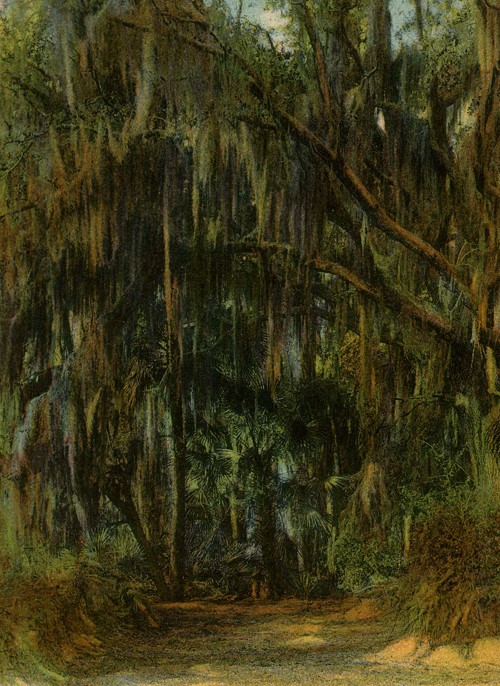
What is Spanish Moss?
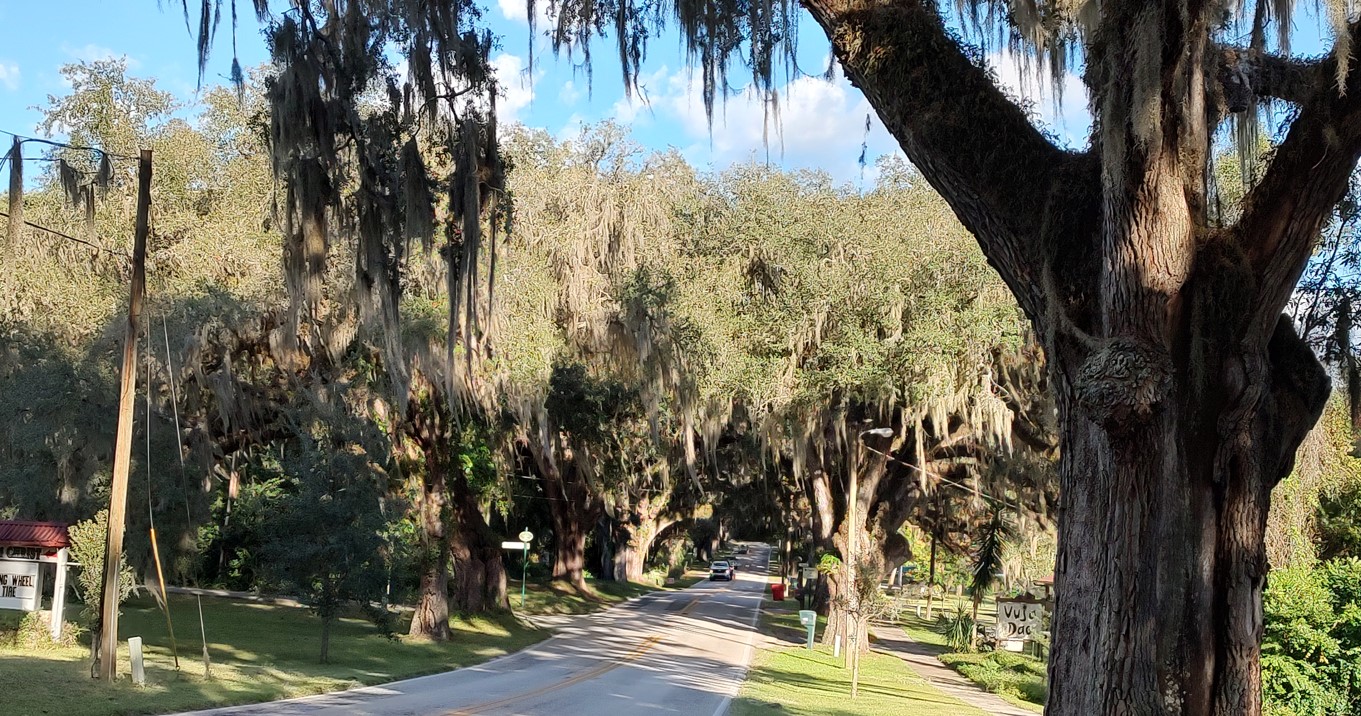
You might be surprised to find out that Spanish Moss (tillandsia usneoides) is not a moss at all, but is rather is a member of the pineapple family. At one time, people thought that it had small roots that penetrated the bark and fed upon the nutrients of the host tree. However, Florida botanists now know that the plant is not a parasite and does not lead to the demise of host trees. Rather, the plant is attracted to areas where there is greater exposure to sun and grows best on branches of trees that have died and are shorn of their leaves. It is an epiphyte and gets it nutrients from the air and rain that are available in the environment. The famous Avenue of The Oaks in Floral City is a good example of where the plentiful moss in Citrus County even grows on telephone lines. There were reports of some cattle with Spanish Moss on their horns in pioneer journals.
An Important Crop
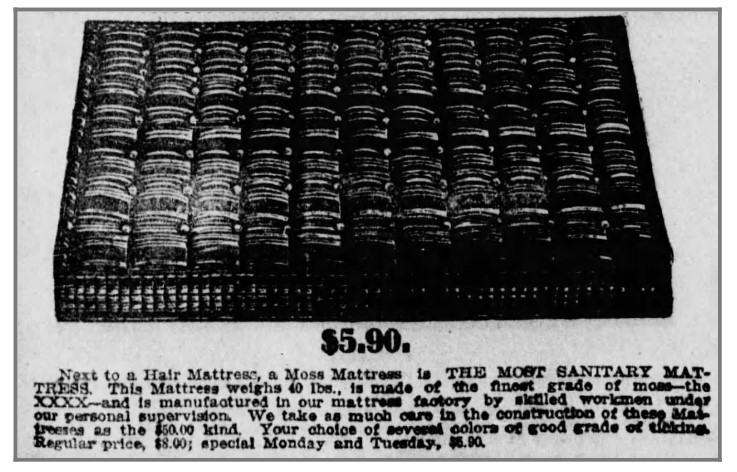
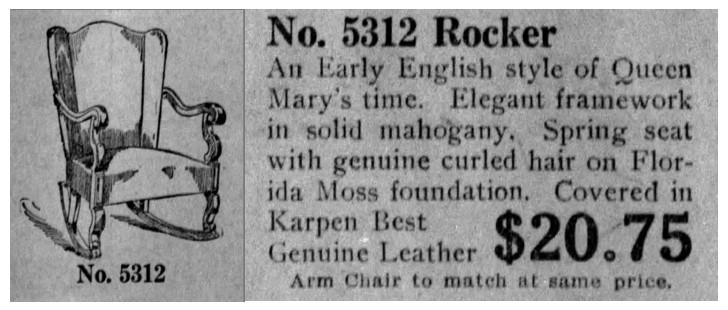
Today Spanish Moss is found mainly as a decorative material in arts and craft stores. People would be surprised to find the many ways that Spanish Moss was used commercially across the country in the past. Formerly only cotton and horsehair were used as a mattress filling. The widespread application of cured moss for bedding provided a clean, sanitary and less expensive alternative for mattresses. Advertisers claimed that when the moss was properly cured it would outlast all other types of mattresses. Spanish Moss-based mattress factories were found across the country and even Hawaii had a company that used Florida’s Spanish Moss in 1912. Spanish Moss as a filling was extended to upholstery such as pillows and chairs. Most automobile manufactures replaced their former horsehair set cushions with Spanish Moss fibers. By 1895 50,000 bales of moss worth more than $400K were shipped from Florida.
The Florida Department of Agriculture studied the use of moss to enhanced the processing of cane sugar and syrup processing. After being milled, the sugar syrup would be filtered through a barrel filled with green Spanish Moss before cooking. The sugar syrup would drip through the moss and flow into a tin trough for further processing. The moss would filter most of the impurities so the collected syrup would be as clear as water. This process slowed the fermentation process and it was said the syrup would keep for five years if stored in a sealed container. As outlined in Florida’s Agricultural Bulletin No.44, this simple process was less expensive and produced better results than the commonly used sulphur method.
Spanish Moss also became a favorite resource for decorators and florists. It was widely adopted as a Christmas decoration in place of garland and was often hung across ceilings and windows. When a large agriculture exhibit was designed in Wichita Kansas, the organizers ordered two railroad cars full of moss to decorate their exhibit. The festive moss reminded attendees of sunny Florida, especially during the bleak winter months.
Gardeners and farmers benefited from use of Spanish Moss as a mulch, especially as protection around delicate plants that were affected by Summertime heat and approaching Winter freezes. The moss also served as a packing material for Florida farmers who sent their citrus fruits to the markets of the North.
During World War II, approximately 80% of the Florida Spanish Moss crop was diverted for military purposes and used mainly for seat padding in military vehicles.
One inventive Tampa resident reportedly found that his automobile tire’s inner tube had ruptured miles from the nearest service station. The resourceful driver allegedly filled the tire with Spanish Moss from a nearby tree and was able to carefully drive 11 miles before a more permanent repair could be made.
Processing Spanish Moss
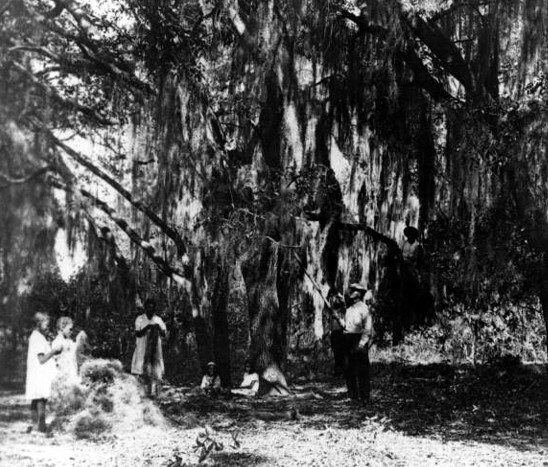
Harvesting Spanish Moss was a welcome source of income for people affected by the Great Depression. Families would clip the moss from trees using rakes or poles with hooks. Based the density of moss in the area and the stamina of the worker, a person could gather up to a half ton per day. It could be sold in a green (unprocessed) state for decorative purposes but was worth more once the moss strands were cured before bringing to the moss dealers. The curing process was labor-intensive and could take between two and six months to complete
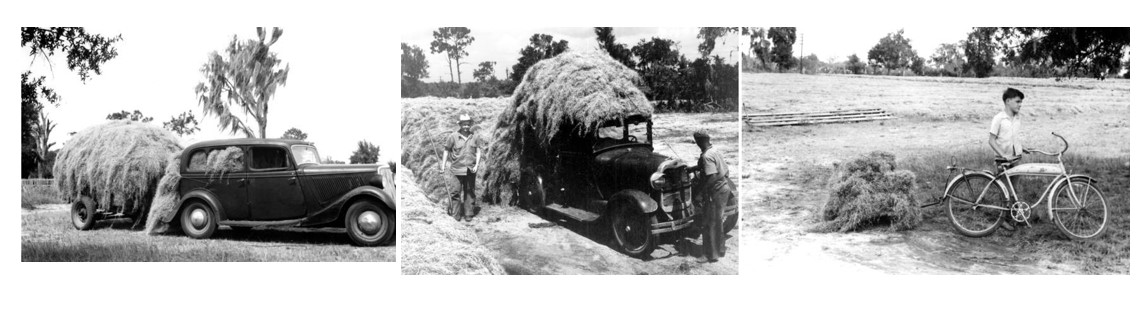
After harvesting, the picker was responsible for bringing the moss to a local processing center. Workers would load small trailers and fill the roof and back seat of their family cars to the brim to maximize their load. One determined youngster attached his Radio Flyer wagon to his bicycle to deliver a small load to the mill. It was estimated that a typical family could make about $15 per week by participating in the harvest.
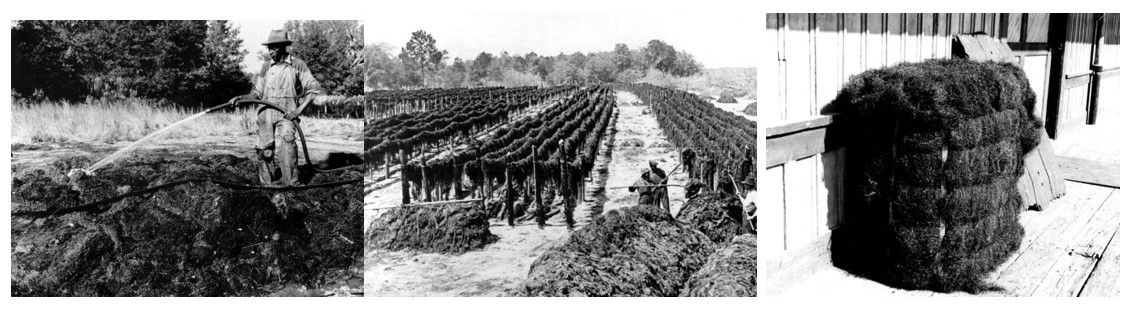
Once the load reached the mill, any branches, sticks and other impediments would be removed. The moss was spread out onto piles and watered to start the decaying process. The outer layer of the plant would rot away, leaving the valuable inner fibers for further processing. The remaining strands would be hung to dry on fences or other structures. After drying, a simple moss gin would extract the final product. It was strapped into 250-pound bales and sent across the country on railroad cars.
Moss Processing in Citrus County
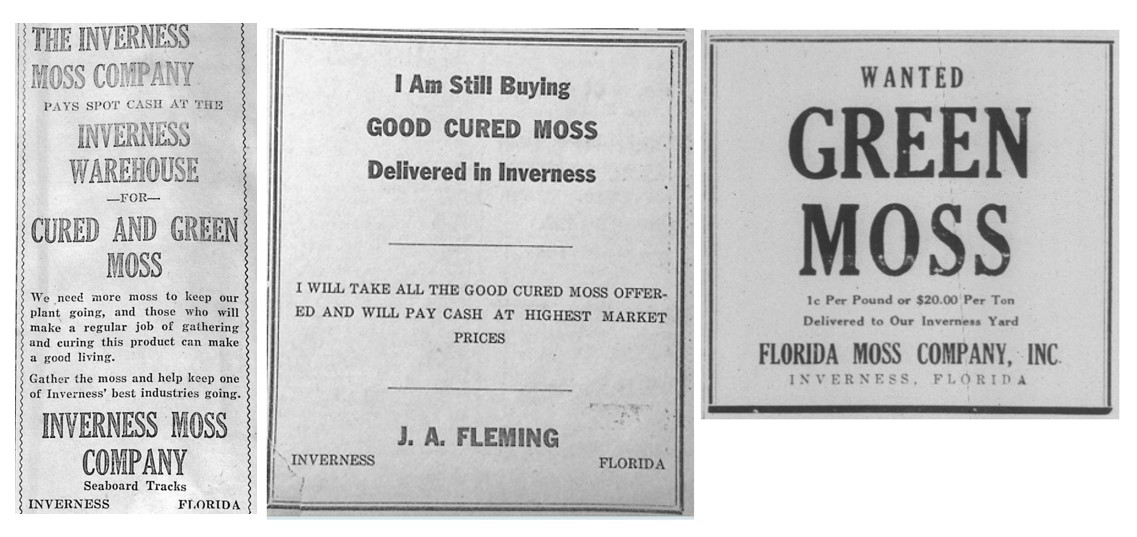
A mill specifically devoted to processing local moss was established in 1929. The Inverness Moss Company was located near the Seaboard train station in the Eastern part of the city. They promised to provide immediate payment at the highest prices. As was the industry practice, cured moss was compensated at a higher price. Green moss was valued at $20 per ton.
Moss Harvesting in Floral City
In 2005, Howard Wilson recounted his family’s moss gathering experience in an interview as part of a CCHS Oral History project.
“We use to take – people don’t know – moss is real value and real expensive, moss on those trees. That was money! We used to pull them off, lay the moss down, have four or five different beds, pour the water on it, take the potash and sprinkle it all over it and kill the moss and make it brown. Alright. That’s what we did. But now, the blacker the moss gets the more money you get. If you let it sit and it would get too black, you wouldn’t have too much to weigh. You take them moss beds down and then hang it up on the line to finish and let it dry. And then bale it up and put it somewhere cool so it don’t get wet. The moss man come around every Saturday and paying ten cent a pound. (Laughter) And we had a bunch. And that was, that was big money. That was, uh, along then, that’s what car seats were made of, and mattresses and everything else was made – out – of – moss. And Floral City has come a long ways.”
The Demise of an Industry
By 1952, the demand for Spanish Moss was significantly reduced due to the use of synthetic materials for padding. It was still used in limited amounts for decorative and art/crafts purposes. The Florida Moss Ginning Co (the largest processor in Florida) was dissolved in 1954. The Florida Moss Company went out of business in 1967.
The Myth of Ford’s Model T and Insect-Infestation Recall
Ford’s Model T was in production from 1908 to 1927. Over 60 years after the last “Tin Lizzie” rolled off the production line, a magazine article recounted the story of the Model T being involved in the first recall in automotive history. The legend holds that the moss stuffing in the seats of the early versions were infested with “chiggers” that bit hapless drivers while they motored down the street. According to the story, Ford issued a voluntary recall to deal with the insidious insects. The articles did not include the date when this situation occurred or how the public responded. The tale was repeated by later articles and is now accepted as a fact.
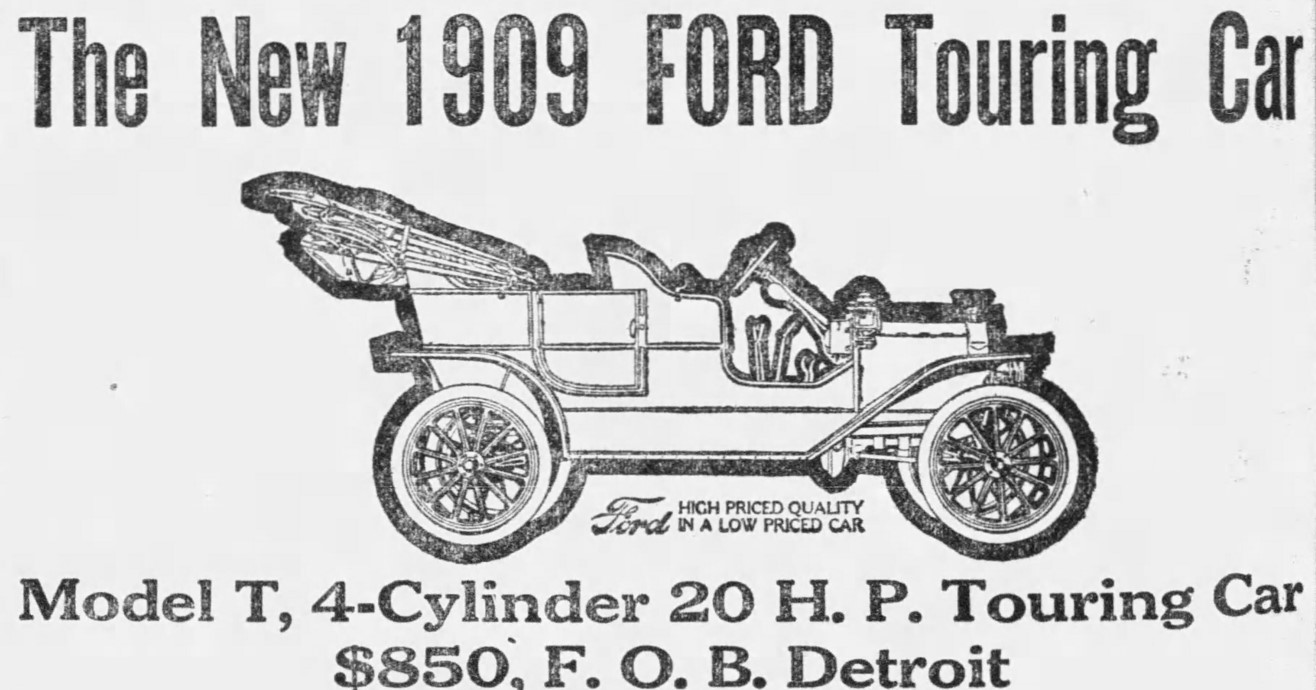
Does this story ring true? I surveyed national newspapers that were published during the entire reign of the Model T and found no contemporary stories about the recall. There were no articles about any other automobile, furniture or mattress manufacturers being inflicted with such an insect invasion during that time.
Remember that the automotive industry was still fragmented and there were literally scores of car manufacturers during this period. A critical reader would assume that other companies would use Ford’s chigger problem to their competitive advantage. They would have trumpeted that their cars have been “Insect Free Since 1903”. Yet no other company made mention of Ford’s situation in their advertising.
The reader can decide for themselves if Spanish Moss deserved being deemed as the cause of the first automotive recall in history.
The topic for this story was suggested by Chronicle reader and CCHS President Robert Croft
Vintage pictures are courtesy of the Florida State Archives