
Thanksgiving with a Citrus County Flavor
By: Ken Marotte, Citrus County Historical Society
We’ve all heard the stories about the first Thanksgiving in Plymouth. While today’s historians discount that tale, thanksgiving feasts certainly took place in many areas throughout the ages. How did the Citrus County pioneers and their descendants celebrate the holiday? Was it day devoted to feasting and family fun or was there another side to the holiday here?
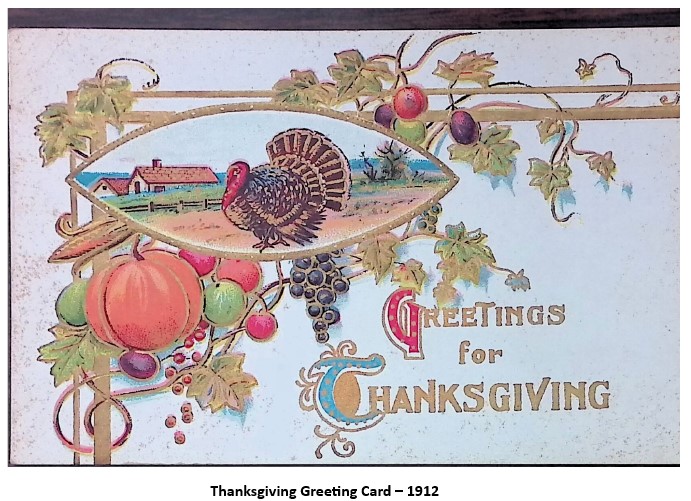
A Typical Citrus County Thanksgiving
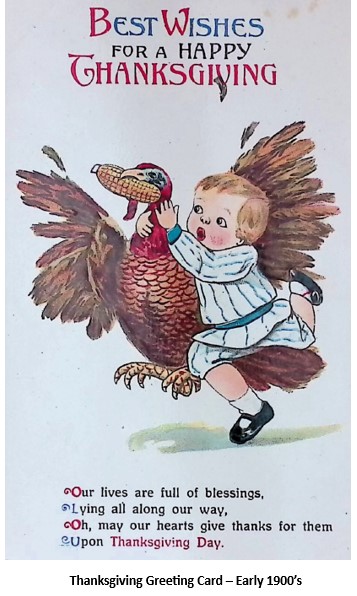
Thanksgiving was celebrated across the United States and Florida was no exception. The Governor would issue a proclamation that urged residents to “abstain from secular pursuits” and offer thanks in their churches and homes. Local tradition called for a community-wide service that included all denominations and creeds. Choirs from multiple churches joined together for this multi-faith event.
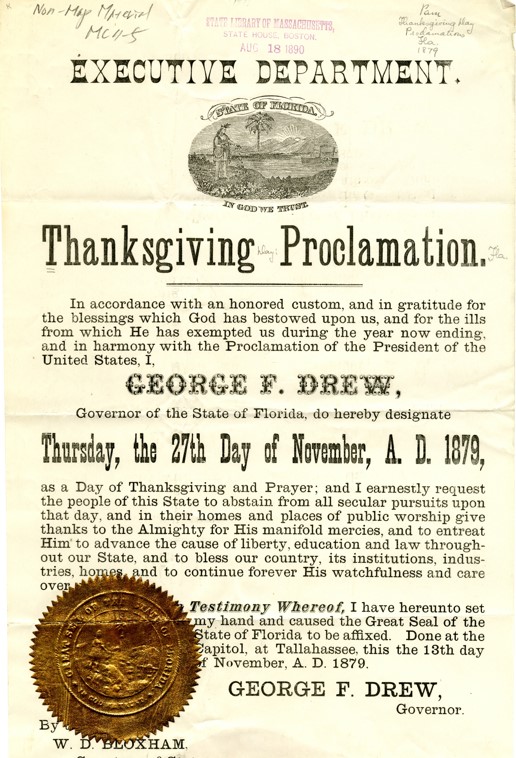
Citrus County Historical Society President Robert Croft has fond remembrances of Thanksgivings in our county. It was the occasion for a true homecoming and the home would be filled with relatives, some of whom had traveled from far away to attend. In addition to the usual turkey dinner, there would be lots of vegetables – collard greens, mustard greens and turnip greens – depending of which crop did well during the preceding season. Sweet potatoes grew particularly well in the area so pies containing that delicacy were always included.
It was time for sugar cane grinding at that time of year. Since the process could be labor intensive, all of those people who gathered for the family Thanksgiving dinner would join in and participate. The cane was cut down using a tractor with scythe and loaded onto wagons. The crop was brought to a grinding machine which would crush the cane plants and collect the sugar juice. A few stalks of cane would be saved for the children who would eagerly chew on the sweet treat. The juice from the cane would then be poured into a huge vat and slowly brought to a boil. After hours of simmering, the women would fill jars with the sweet syrup and put aside to cool.
Turkey Shoots were commonly held during the Thanksgiving season as a fund-raising event for local organizations. For readers not familiar with these events, participants would use shotguns or rifles to shoot at targets at city parks and fields. The person who shot closest to the bullseye won a turkey. Hunting for live turkeys was a popular pastime as well and provided the main course for many Citrus County households.

Another Thanksgiving Experience
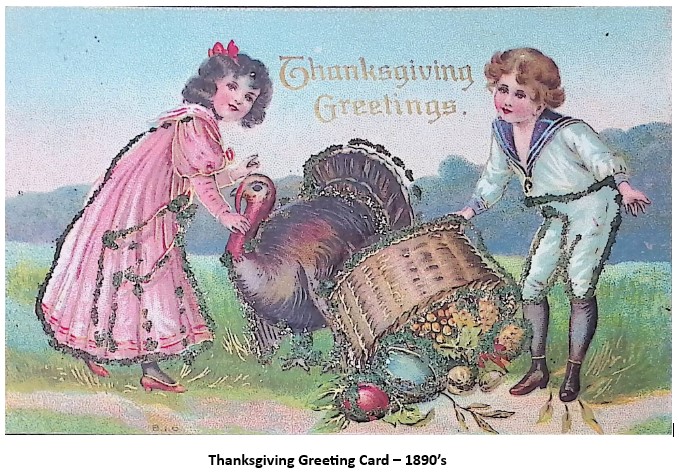
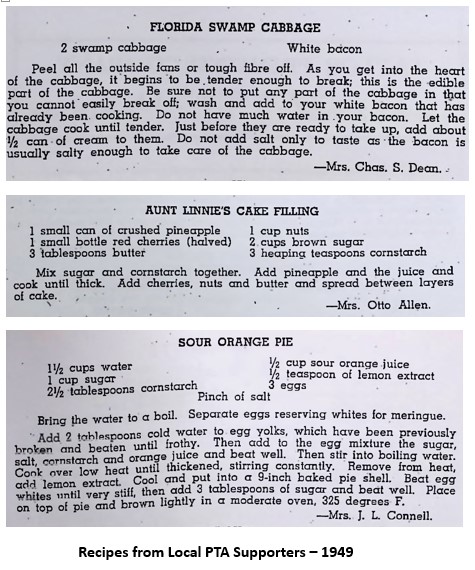
Some residents remember a different Thanksgiving holiday. For those working on small subsistence farms, Thanksgiving was more or less just another day. Their meal would consist of swamp cabbage flavored with fatback (a.k.a. salt pork). They would start the day’s tasks and take a break at mid-day. Their cabbage would be ready in a couple of old pots and then they would go back to work. Since Thanksgiving took place during fruit picking season and everyone would go back to harvesting fruit after their dinner.
Other people would raise turkeys and spend Thanksgiving morning loading them onto a truck and driving to many of the lumber or phosphate camps in the area. They were able to supplement their income through selling the fowl to a hungry crowd of workers.
Many people would forego a gathering at home and pack a picnic lunch to have a festive day on the shore in Homosassa or Crystal River.
Black Friday in the 1900’s
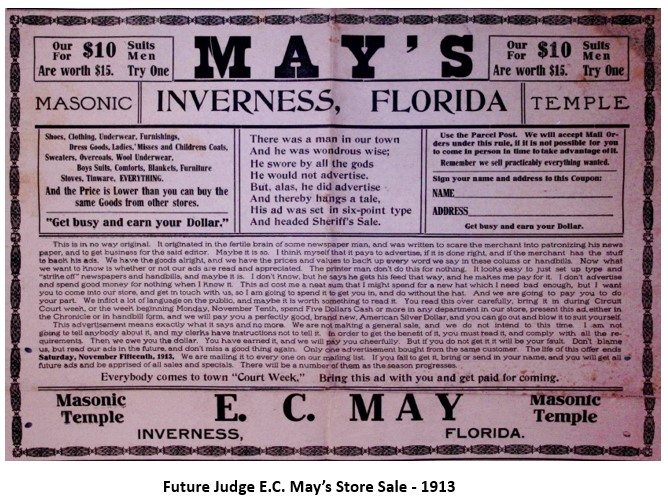
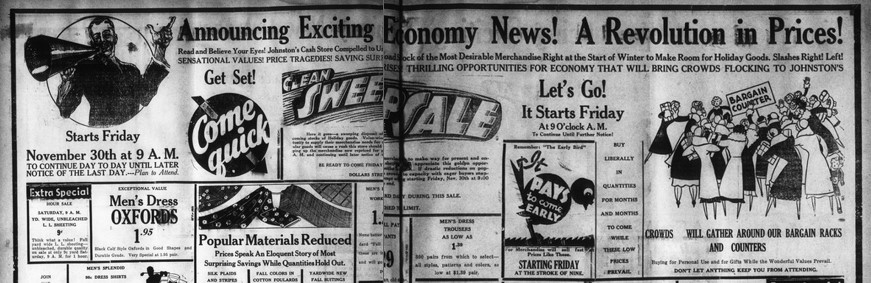
People reminisce about the “Good Old Days” when there was none of the commercialism of today’s Black Friday. However, it has been a common practice in the past to hold special shopping days immediately after Thanksgiving. Stores would place full page advertisements in the Citrus County Chronicle and offer special deals for customers who arrived promptly at 9am on the next day. Much like today, special deals would be offered later in the day to keep customers coming back. While they didn’t have the Internet, merchants were acutely aware of the marketing tactics to boost their bottom line.
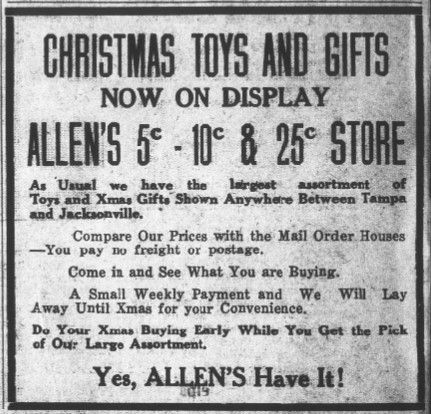
“Pop” Allen’s five and dime expanded to become a veritable Christmas wonderland after Thanksgiving. His store became the Citrus County destination for children hoping that Santa would bring them gifts and treats – but only if they were on Santa’s “Nice List”.
Thanksgiving during the Depression
The country suffered a major economic downturn in the 1930’s and Citrus County was particularly hard hit. Many people could not afford to serve a traditional meal. During times of trouble, the community rose to take care of their own. For example, the Inverness Relief Association provided Thanksgiving meals for 40 undernourished students at the local elementary school in 1932. They continued to offer support throughout the period.
A “Demonstration Program” was developed across Florida to assist women manage the needs of their families on a limited budget. Local Demonstration Agents held classes on food preparation tips that could stretch their meals at Thanksgiving. A cannery was provided by the county that allowed women to store vegetables and fruits for later use in their households. In this way early crops such as field peas and beans could be served at Thanksgiving even though their growing season had passed.
Lard was used as a way to preserve meats such as pork. Meats could be put into a large barrel of the thick substance and sealed from the oxygen that would spoil the meat. Recipes included copious amounts of spices to make the stored meat more palatable.
Wartime Thanksgivings
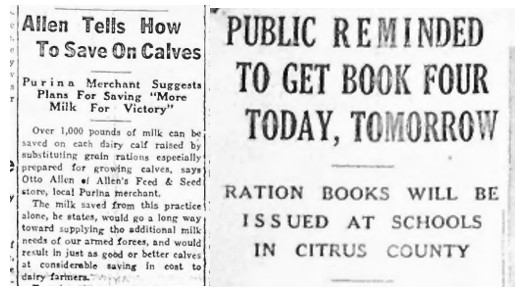
The advent of World War II led to food rationing and shortages. The country’s focus was on providing meals for the troops and people on the home front did their part by conserving food. Ration stamps were issued to families based on size and needs. Meats and sugar were in short supply. At one point, the government required each household to provide a written inventory of foodstuffs in their household to make sure that no one was hoarding food.
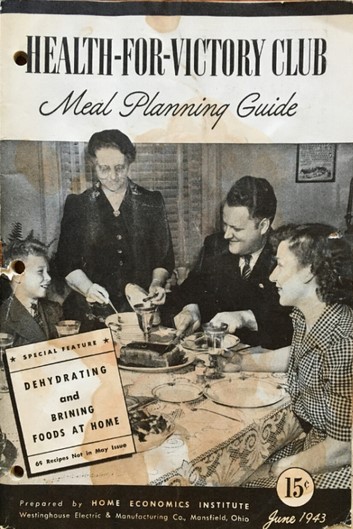
Given the wartime constraints, housewives were offered alternative substitution recipes to provide a Thanksgiving meal for their families. Meetings of the “Health for Victory Club” were held in Citrus County where nutritional experts presented meal planning guides for Thanksgiving and daily mealtimes.
Return to Prosperity
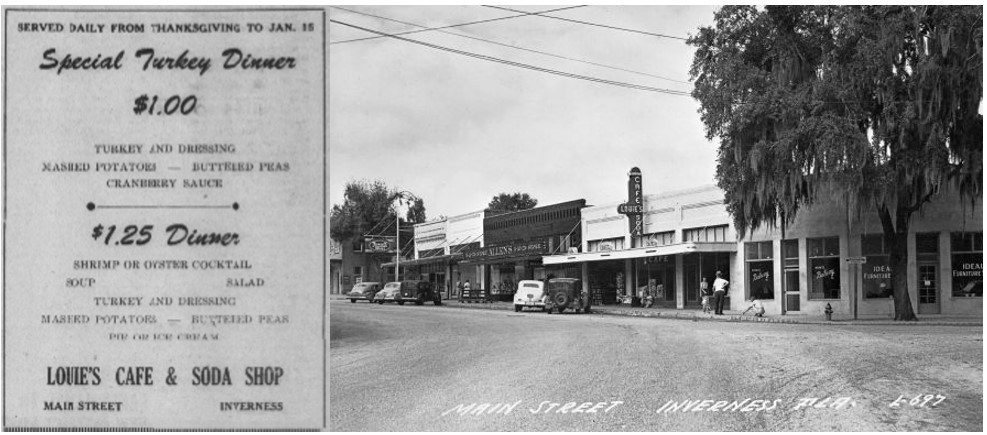
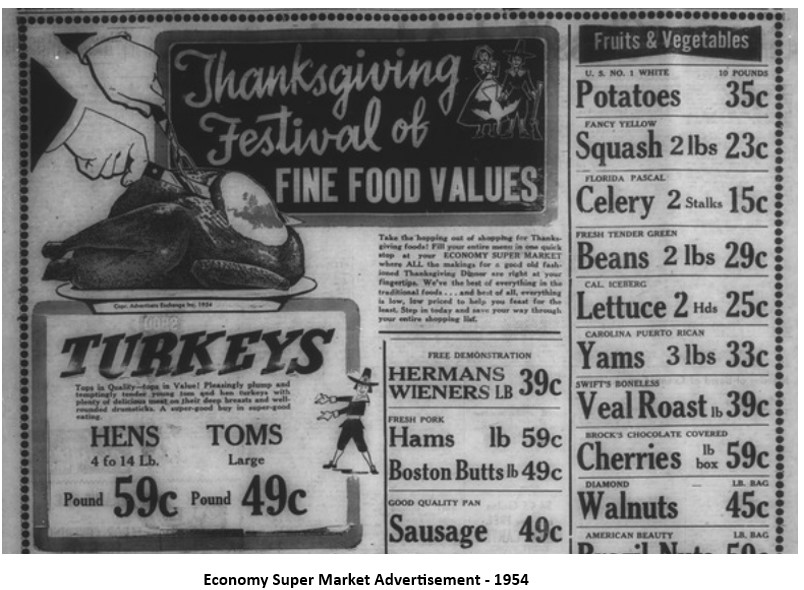
Restaurants had offered Thanksgiving meals prior to the War, but given the economic conditions and rationing requirements, people decided that it was easier to dine at home. After the War, however, many of the canned foodstuffs that were reserved for military staff were now available for civilian purposes. Expanded restaurants , such as the Louie’s Café in downtown Inverness, began to offer all-inclusive Thanksgiving meals at an attractive price. More supermarkets opened in the area and their advertisements reflected expanded post-war supply and lower prices.
A Nation Grieves
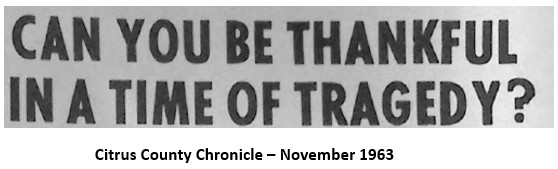
On November 22, 1963 President Kennedy was assassinated a few days before Thanksgiving. The country was in a somber mood and people wondered how they could possibly be thankful in light of the tragedy. The all-faith union services became a source of solace and comfort that year. Rev. Tom Price gave a sermon at Union Thanksgiving service in Crystal River that year. He told the congregation “There’s no place in our American heritage, just as there’s no place in the Christian faith, for that extreme, blind fanaticism which thinks it has the right to silence those with whom it disagrees…I believe that history will record Friday, November 22 as the turning point of American extremism, as the time when the American people began to consider the stewardship of blessing with a new maturity.”
Time to Give Thanks
We have much to be grateful for as Americans in 2024. While there are always going to be times of crisis and division, this is the time to focus on the positive benefits of living in a free country and share our bounty with friends and family. On behalf of the Citrus County Historical Society, we wish you a very Happy Thanksgiving.
Thanks to Robert Croft and Mary Lou Brown for their contributions to this article.
Ken Marotte writes for the Citrus County Historical Society. He can be reached via email at kenmarottejr@gmail.com if you have any comments, questions or suggestions.