
Olympians Arrive in Citrus County
By: Ken Marotte, Citrus County Historical Society
A prominent canoeing expert once called Citrus County “…the most fantastic place I’ve ever paddled”. Growing from humble beginnings, the annual Citrus County canoe and kayak race was considered the largest in the Southeast. Our area was so popular that several current and future Olympians trained on our waters – and one even brought home a gold medal for the United States. This is the story of how a small local river race grew into a sport that drew elite international athletes to Lake Tsala Apopka and the Withlacoochee River.
In the Stream of Commerce
Citrus County pioneers saw the rivers and lakes as a conduit for business. Long before the railroads serviced our area, early settlers saw the interlinked waterways as a resource for transporting goods to the outside world. The Orange State Canal was excavated in the mid 1880’s to connect Floral City to the railroad depot at Lake Panasoffkee. Shallow draft steamers, such as the Reindeer, ferried passengers and freight to the train.
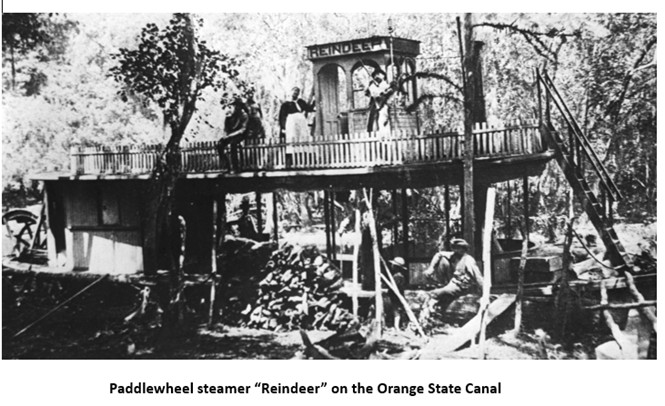
The lakes were advertised as a haven for sportsmen and fishing camps thrived on the shoreline. Small skiffs and canoes, some powered by sails, gave visitors a chance to leisurely enjoy the natural wonders of our area.
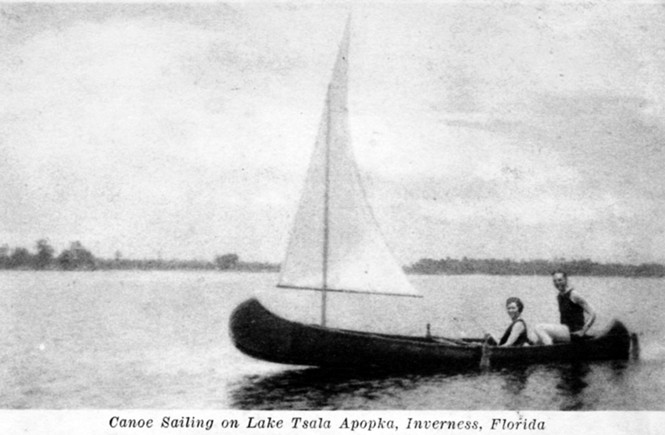
Those people would have been amazed to learn that their rivers would be used as a training course for Olympic hopefuls almost a hundred years later.
A Citrus County Classic
Citrus County organized the first open water canoe race in 1964. The event was sponsored by the Chamber of Commerce and featured a 17-mile downstream course on the Withlacoochee River. Only 20 participants enrolled in the initial contest. However, after the news spread about the new event, the field doubled the following year.
Organizers seized the opportunity to add other attractions to the canoe race. World-renowned reptile expert Ross Allan as Grand Marshall. Allan had logged many miles in a canoe searching for water snakes and was an enthusiastic supporter.
Sheriff B.R. Quinn joined the celebration with his legendary “Dollar a Plate” barbeque for participants and onlookers. The Citrus County deputies sold an estimated 1,000 meals that year and all proceeds were donated to the Florida Sheriff’s Boys Ranch charity. In later years, the Sheriff was able to donate almost $2,000 after each race due to the patronage of the hungry attendees.
As was the custom during that period, young ladies were encouraged to don native attire and compete for the esteemed title of “Miss Indian Maiden”.
A few years later skydiving teams thrilled the crowds and a turkey shoot gave local marksmen a chance to show off their talents (hopefully not at the same time as the parachute team’s jumping demonstration).
Eventually over 250 paddlers took place in the annual event. The onlookers were so numerous that the Citrus County deputies were assisted by the Florida Highway Patrol, U.S. Coast Guard, Florida Forest Service, Conservation Commission and the Citrus County Sportsman’s Association.
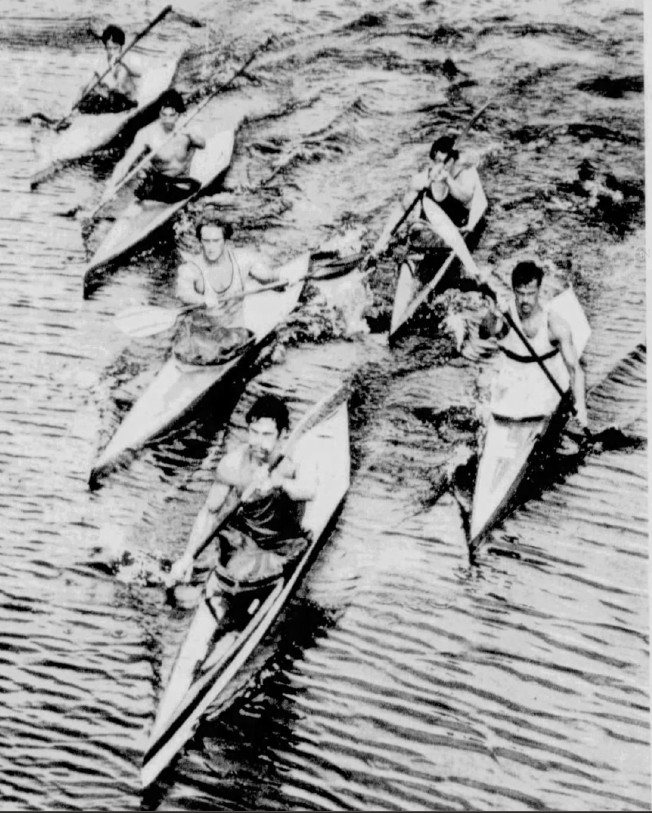
The Citrus County Canoe Race became one of the most popular events on the US East Coast. Paddlers came from across the United States and Canada to try their luck on the Withlacoochee River. Busloads of supporters from other counties lined the river banks with banners encouraging their local candidates.
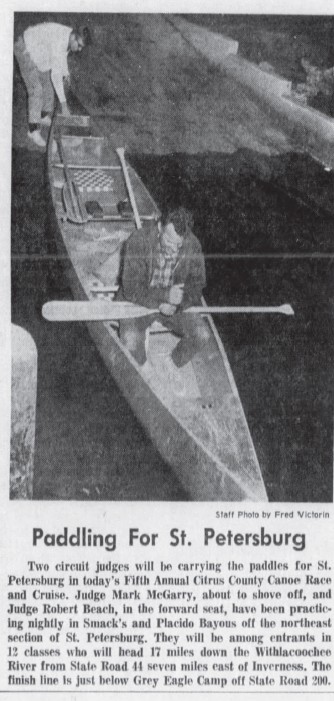
A pair of Circuit Court judges from Pinellas County removed their robes and competed in the two-man team canoe contest. They originally placed seventh but returned the following year to claim second place in their division. Judge Mark McGarry eventually won the singles race in 1972.
The Jones Sisters Arrive
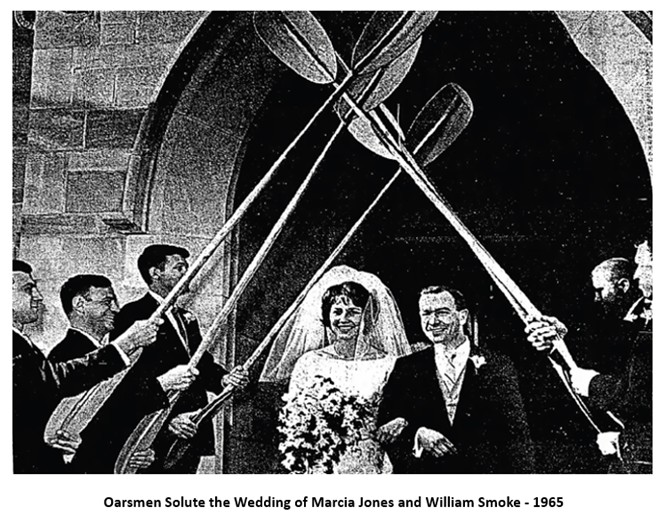
Marcia Ingram Jones and her sister Sperry Joanna Jones were multi-sport athletes who eventually embraced canoe and kayak racing at an elite level. Marcia Jones won a bronze medal in the 1964 Olympics and competed in the 1968 and 1972 Olympic games. She married William Smoke who had also completed in the 1964 Olympics. Their wedding procession was met by a host of oarsmen who formed a canopy of paddles as they left the church.
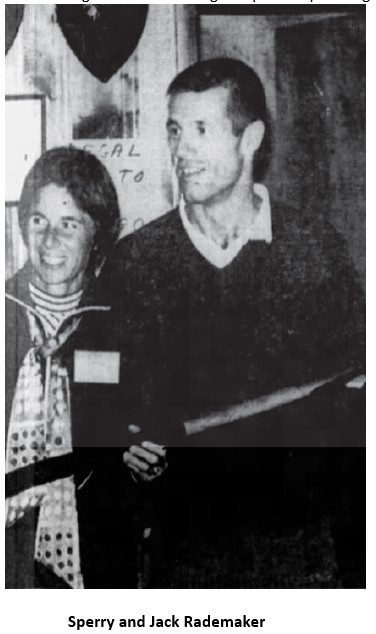
Sperry Jones had competed in the 1968 Olympic games in Mexico City and was married to Jack Rademaker, who was also an elite athlete. Sperry had won collegiate championships in water polo and running before embracing competitive paddling.
Jack and Sperry Rademaker moved to Windemere Florida where they enjoyed the ability to paddle throughout the year. They heard about the Citrus County Canoe race and decided to compete in that event. The Rademaker’s consistently won their races and spread the word throughout the paddling community about the wonders of Citrus County.
Olympic Training Camp
The couples wanted to expand the opportunity of Olympic participation to a wider audience. The Smoke’s had previously worked to secure the release of two elite Rumanian Olympians – Val Luja and Andy Toro – from their Communist country. They were immediately enlisted to bring their expertise to Citrus County.
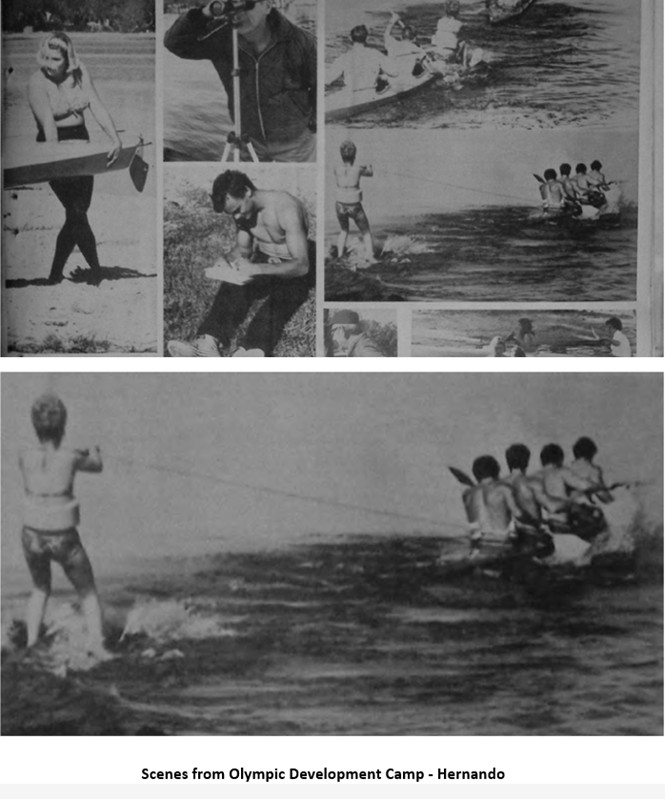
They arrived in Citrus County for a series of workshops in 1969. The sessions were designated as the official Olympic Development Paddling Clinic. In addition to talented paddlers from the USA, teams from Mexico and Japan traveled to Lake Tsala Apopka for the training sessions. In addition to daily cruises on the water, strength and conditioning exercises were held at Citrus High School. The clinics were held at that location for a number of years.
The Cirtus County Connection
Jack and Sperry Rademaker were so enamored with our area that they decided to relocate from Windemere to Floral City. The Rademakers continued to provide training for aspiring Olympians and they opened their homes to Olympic hopefuls from other countries such as Iran, Sweden, Denmark, Holland and Canada. In addition, a number of USA paddlers from Northern “cold states” stayed in Floral City and welcomed the chance to actively train while their hometown waters were frozen.
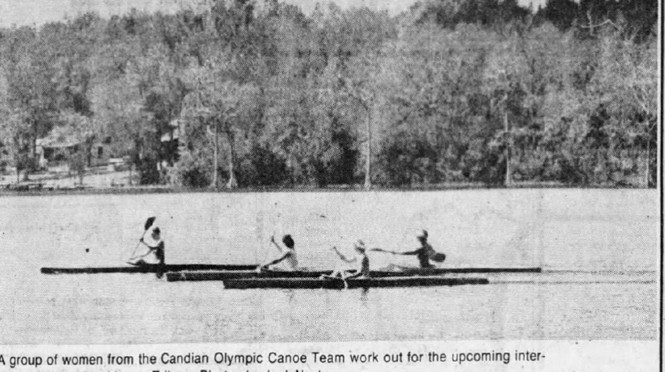
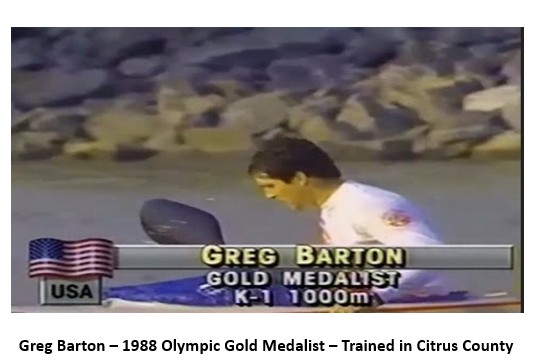
Neighbors opened their homes to the young athletes. One of them, Greg Barton, stayed at the home of Wendy Schwarting during the training sessions. She remembered Barton as a fun-loving and respectful young man. Needless to say, she was thrilled to learn that Barton had captured a Gold Medal for the 1000-meter kayak race in the 1988 Olympics.
Inverness Bids to be the official Olympic Training Center
News reached the paddling community in Citrus County that the US Olympic Committee would like to establish a permanent training facility in Florida. Mrs. Schwarting and others established a new organization, U.S.A. Canoe Camp Corporation, with the intention of stationing the new facility in Inverness.
The City of Inverness leased land on Lake Henderson (near the site of today’s Wallace Brooks Park) for the building site with the proviso that the facility would be opened by July 1987. The total cost was expected to be $500,000 including the construction of dormitories that would house 75 athletes.
Several other Florida cities were also courting the Olympic facility, however, and Melbourne FL presented the most attractive package to the Olympic Committee. After the final selection was announced, the local boosters had no choice but to disband their organization – but still fondly recalled the days when Citrus County was the mecca for international paddling enthusiasts and home to Olympians.
For More Information
Tom Craig and Max Schulman have recently released the “Cross Florida Greenway Trail Adventure” which highlights paddling and trekking adventures across Central Florida. Schulman is also co-author (with Matt Clemons) of “Finding the Treasures of the Trails, Paddling Citrus County”. Both books are available in the bookstore at the Old Courthouse Heritage Museum in Inverness.
Ken Marotte writes for the Citrus County Historical Society. He can be reached via email at kenmarottejr@gmail.com if you have any comments, questions or suggestions. Contact him if you’d like to participate in the ongoing CCHS Oral History Project.