
Law & Order – Citrus County : 1890’s Edition
By Ken Marotte, Citrus County Historical Society
Many people have an idealized vision of what life must have been like in the 1890’s. Were ladies with parasols gliding down the streets of Floral City, Inverness and Crystal River in the “Good Old Days”? Was crime under control through the efforts of our law enforcement officers? Did judges dispense firm justice to keep the county safe?
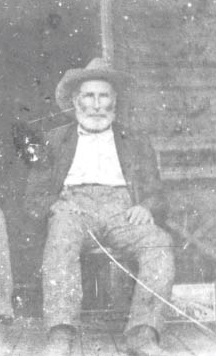
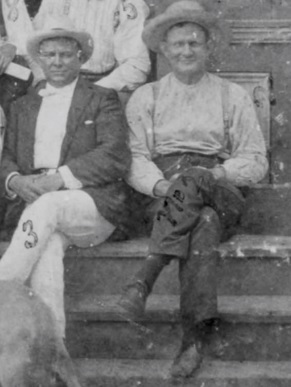
Law enforcement responsibilities were divided among the elected county Sheriff, his appointed Deputies, Justices of the Peace and Constables that patrolled specific areas of the county. J.C. Priest was appointed as the first Sheriff in 1887 at an annual salary of $2,000 plus expenses (approximately $64,000 in 2023 dollars). He served until 1897, when he turned the reigns over to his brother Augustus T. Priest.
Sheriff James C. Priest
Sheriff Augustus T. Priest (right)

Originally, Citrus County did not have a jail but contracted with Hernando County to house any prisoners. A rudimentary jail was constructed in 1891. In 1896, the Citrus County BoCC leased all county prisoners to C.C. Todd of Hernando for internal road work. The number of convicts involved was minimal. For example, in March 1896 only 5 convicts were delivered. They were leased for a term of less than 90 days at a rate of 20 cents per day.
Generally speaking, the court sentences handed down in 1894-1897 primarily involved fines for those convicted and jail time was only required when the guilty party failed to pay their fines or a serious crime was committed.
The Board of County Commissioners contracted with phosphate mine owner J. Buttgenbach to lease county prisoners to work in the mines in 1898. From that point onward, sentences started to primarily involve jail time and any monetary fines were much higher. The Citrus BoCC, like officials for the State of Florida, had discovered that governmental coffers could be filled by leasing their convicts.
After an analysis of over 600 arrests between 1894-1899, here is the Top 10 list of crimes (and outcomes) in Citrus County.
- Gambling (141 arrests, 93% conviction rate)
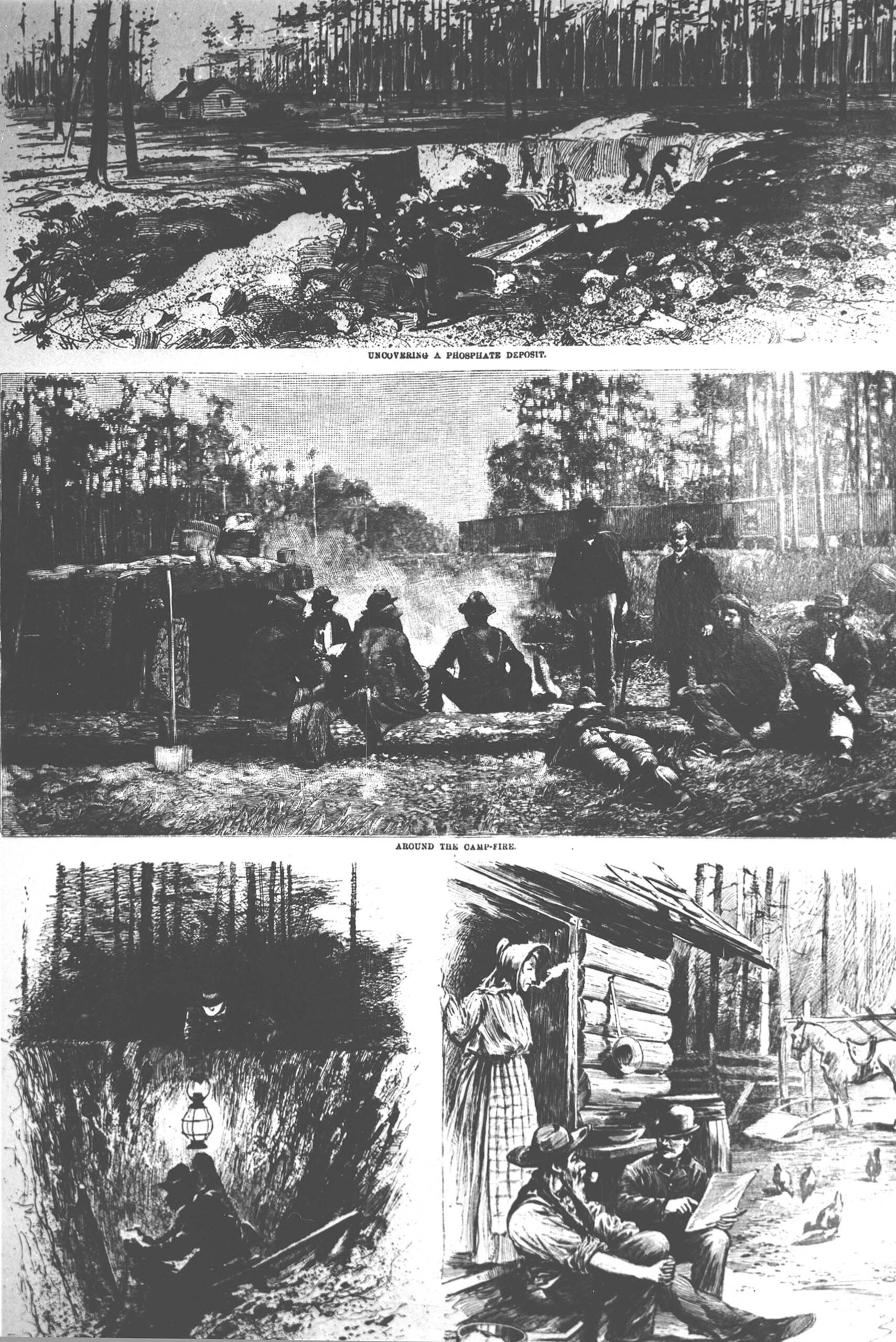
Citrus County was in the midst of the phosphate mining and naval stores (turpentine) booms during this time. These industries were labor-intensive and needed a number of young men with strong backs. While many of the workers were leased State convicts, most of the men were day laborers from across Florida and nearby states. There were very few diversions in Citrus County during their free time, so many were involved in gambling or “skin games”. The participants were usually caught red-handed and quickly plead guilty to the charges. A typical sentence involved a fine of $5-10 ($180-360 in 2023 dollars) or 30-60 days in the county jail if they defaulted on their monetary fine. Court costs of about $2.50 ($85 in 2023 dollars) were added to the overall costs. Most of those charged chose to not “roll the dice” with a trial and willingly paid the fine and court costs. People who “maintained a house of gambling” paid a higher fine but were seldom given a jail sentence (unless they defaulted on the fine).
- Robbery / Theft / Larceny (98 arrests, 48% conviction rate)
This category includes obtaining money under false pretenses, breaking and entering (B&E), and theft of goods or property. Records show that theft of hogs, dogs, cattle, boats and fruit occurred periodically. Breaking and entering was considered one of the most serious crimes and anyone found guilty would be sent to the State Penitentiary for a term of one to five years. In some cases, the sentence for someone convicted of B&E was more severe than a murder conviction. Obtaining money under false pretenses was the most common offense in this category. A typical sentence for false pretenses was the same as gambling (above). After 1898, however, most of those convicted of false pretenses were sent to county jail with no opportunity to pay a fine.
- Firearms and dangerous weapons (86 arrests, 67% conviction rate)
It may surprise people to learn that Citrus County had very stringent gun laws during this period. To obtain a rifle or pistol permit, an applicant had to post a bond and appear before the Board of Commissioners (BoCC) for approval. The BoCC could either grant the request or deny the application without justification. The possession of illegal concealed weapons involved most of the arrests in this category. The workers and gamblers who traveled from other locations would sometimes bring their small pistols with them and were discovered during gambling or alcohol-related arrests. In other cases, the weapons were used in murder or intent-to-commit murder arrests.
- Assault and Battery (71 arrests, 58% conviction rate)
About 80% of all assault charges were levied against males. Sentences were generally more severe than other offenses, with the average convict expected to pay a fine of $10-$20 or a jail sentence of 60-90 days in the event of default. A greater number of assault sentences involved jail confinement (and leasing to a phosphate company) after 1898.
- Moral Turpitude (67 arrests, 32% conviction rate)
We think of the New England Puritans as being hyper-vigilant about monitoring the personal lives and morality of its citizens. Records show that Citrus County was also involved in punishing those who violated the moral standards of the period. This category included fornication, adultery, bigamy, lewd cohabitation and cursing in public. Most cases in this category involved cursing in public and resulted in a minimal fine, although repeat offenders sometimes drew a jail sentence.
More women than men were arrested under the “morality” laws. I noted neighbors sometimes served as witnesses against the accused. Cases of adultery and bigamy found the aggrieved spouses testifying against their errant partners. One woman was sentenced to 30 days at hard labor for adultery. Post-1898, a couple served 90 days in the phosphate mines for fornication. A conviction for bigamy brought a sentence of 180 days at hard labor in the mines.
6. Murder / Manslaughter (37 arrests, 32% conviction rate)
Arrests of suspects on murder and manslaughter charges were highly publicized but the conviction rate was surprisingly low. In most cases, the jury deemed that there was insufficient evidence to support the charge or that the defendant was not guilty after trial. Those that were convicted faced jail time that ranged from 6 months in Citrus County jail to 18 years in the State Penitentiary. It was also a surprise to see that only one person convicted of murder was executed from 1894 – 1899. It’s worthwhile to note that a gallows was integrated into the county’s “new jail” in 1912. That device was never used during the 60-plus lifespan of that building.
- Breach of Peace (29 arrests, 14% conviction rate)
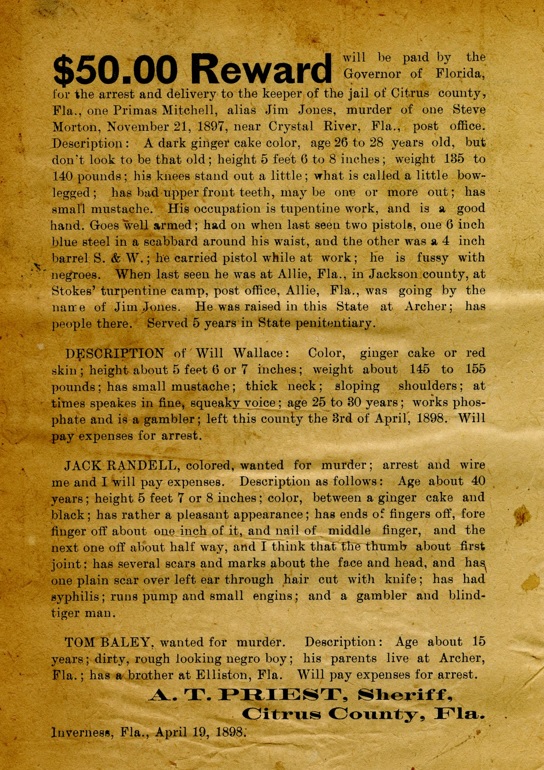
Most of the arrests in this category occurred after 1898. The county’s first “vagrancy” arrest was made that year and resulted in a 90-day jail sentence. This category included a potpourri of offenses including burning woods, cruelty to animals, and malicious mischief. In 1898, 7 workers and “4 unnamed Italians” were charged with criminal trespass (probably in a farmer’s field). The number of vagrancy arrests increased after the turn of the century.
- Sale of Alcohol (28 arrests, 14% conviction rate)
Religious and civic leaders agitated for a ban on sale of whiskey in 1892. An election was held that year and voters overwhelmingly approved legislation that prohibited the sale of whiskey in Citrus County. As soon as the ban was announced, moonshiners (also known as “blind tigers”) increased their production of the illicit beverage to meet the demand of their customers. For some reason, either the County Prosecutor decided not to prosecute (“Nolle Pros”) or juries decided that those charged were not guilty in most cases. After payment of court costs, the moonshiners were released to continue their trade.
- Merchant Violations (24 arrests, 25% conviction rate)
Merchants were required to be licensed and faced stiff fines if they failed to obtain or renew their license. Once arrested, the merchant usually chose to pay for a license in exchange for dropping the charges. Merchants who plead “not guilty” but were found guilty by the court were subject to a $25 fine (about $1,000 in 2023 dollars). Some merchants were also charged for selling goods on Sunday. Income from merchant licenses was a significant source of income for the county.
- Lunacy (7 arrests, 100% conviction rate)
The term “lunatic” referred to someone who had mental health issues and had lost their ability to take care of themselves. People accused of lunacy were arrested by the Sheriff and brought before the Judge for examination. Witnesses were called upon to testify during the hearing. At that point, the person was usually committed and they became a public ward.
Note: the statistics are based on Sheriff’s arrest records 1894-1899, inclusive. Some cases were continued past the review period and were included in the arrest statistics but were not considered to have resulted in guilty verdict since the results were not finalized by January 1, 1900.